

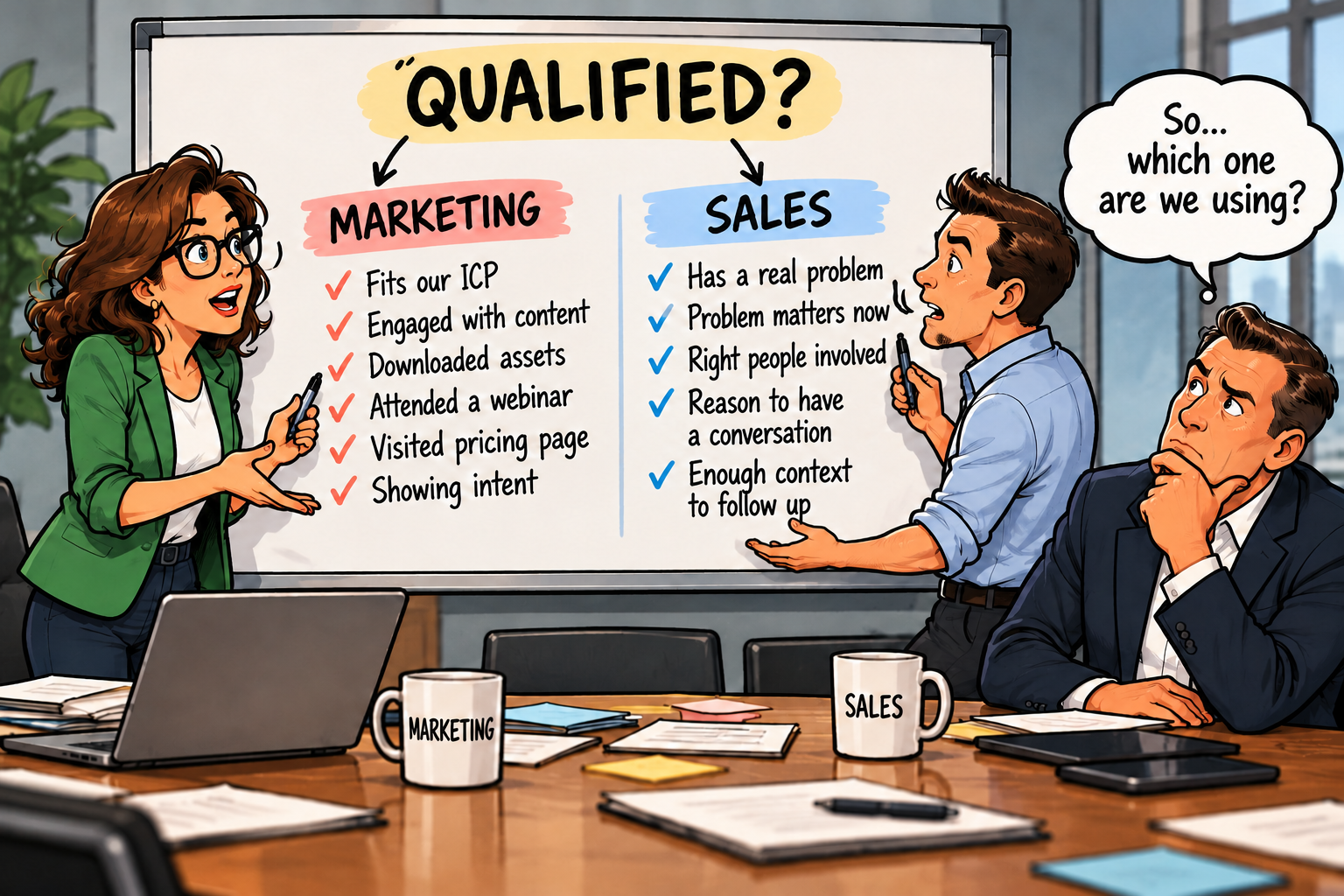
Somewhere along the way, sophisticated B2B marketers decided that “lead generation” belonged in the same dusty closet as trade-show fishbowls and three-ring sales binders.
Third-party intent data became popular for a good reason.
When Predictable Revenue came out in 2011, the model worked so well that software companies began reorganizing their sales teams around it.
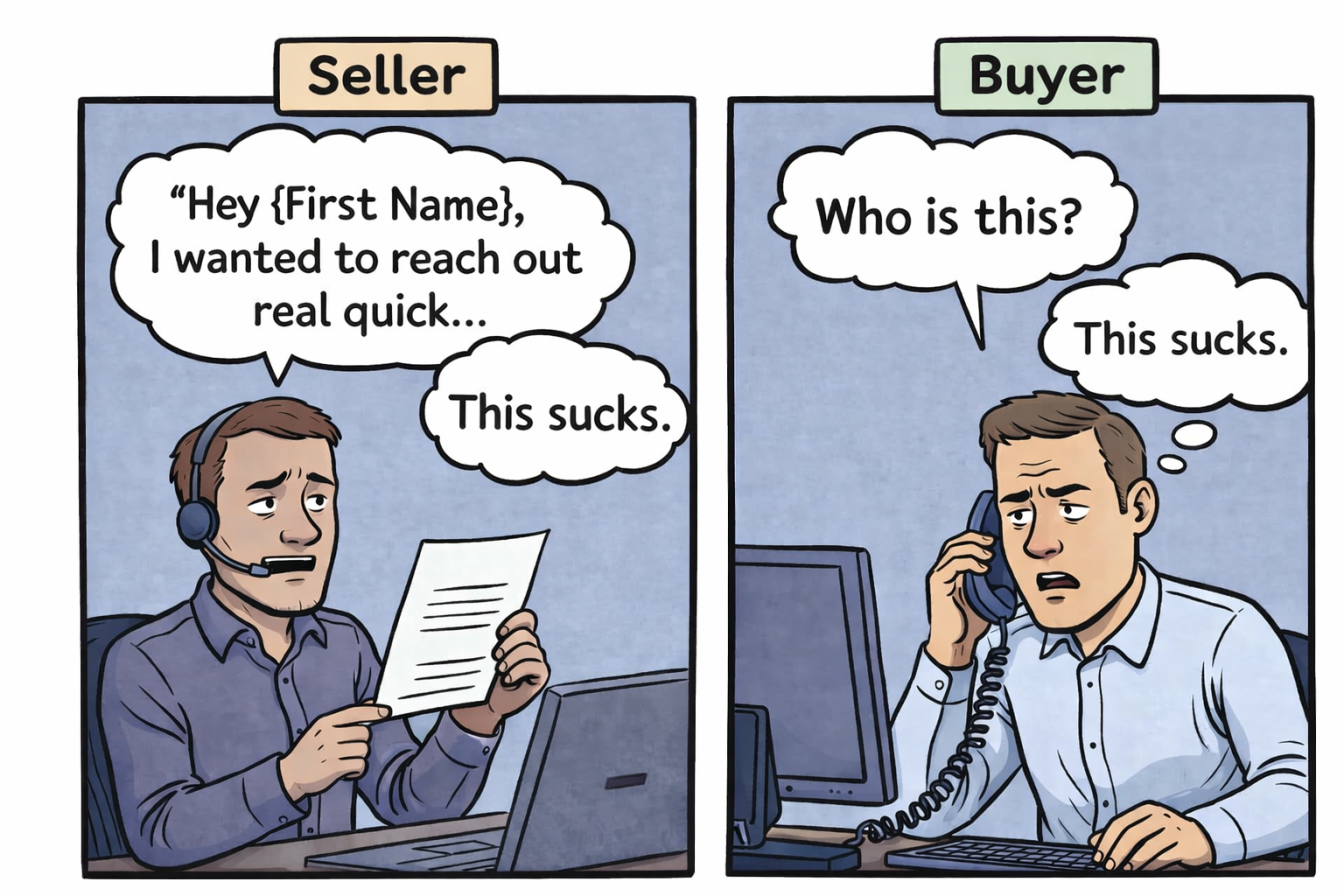
For a long time, the Predictable Revenue model worked. Marketing generated clicks, SDRs worked large lists through standardized sequences, and AEs closed enough of them to justify the machine.
Somewhere along the way, B2B marketing got embarrassed by the word “lead.”
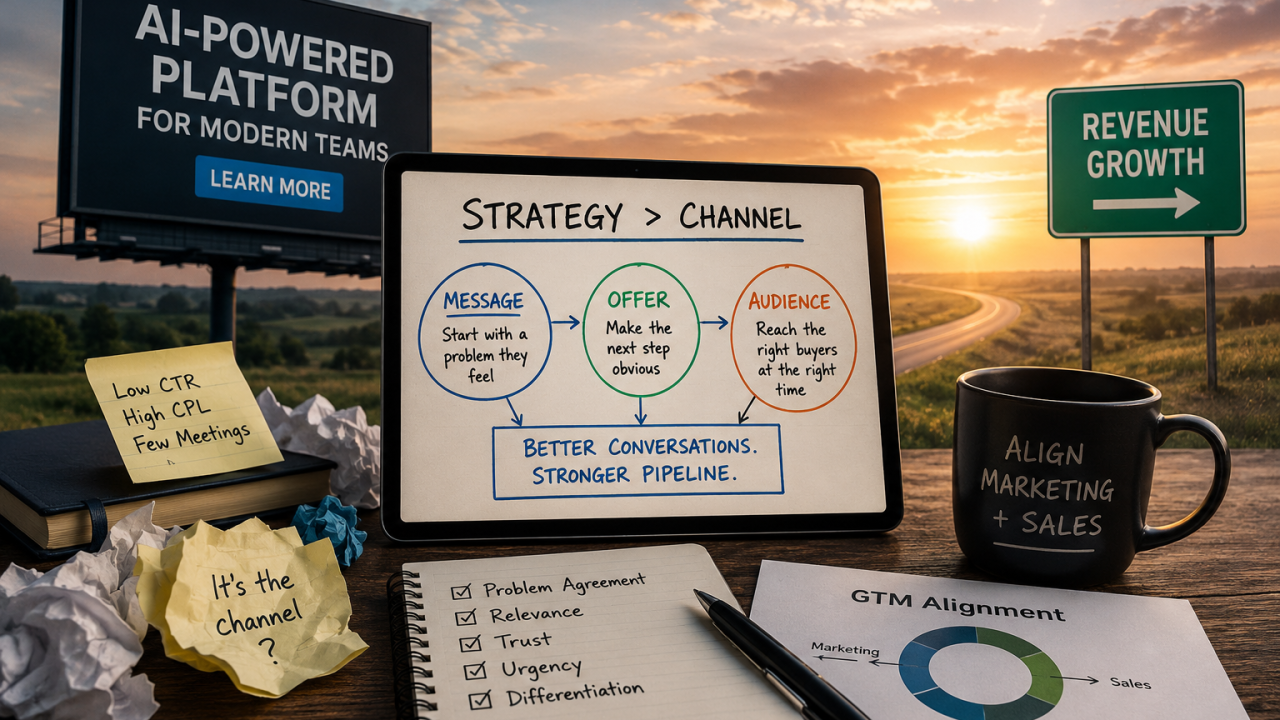
The pressure to generate pipeline hasn’t gone away, but the channels that used to make that job feel manageable are getting less predictable.
In almost every conversation with CEOs right now about their go-to-market, I keep hearing about how the channels that used to fuel their sales pipeline predictably has seemingly dropped off a cliff.
At a recent roundtable discussion with SaaS marketing and revenue leaders, one participant described an AI initiative that had consumed months of effort and produced little in return.
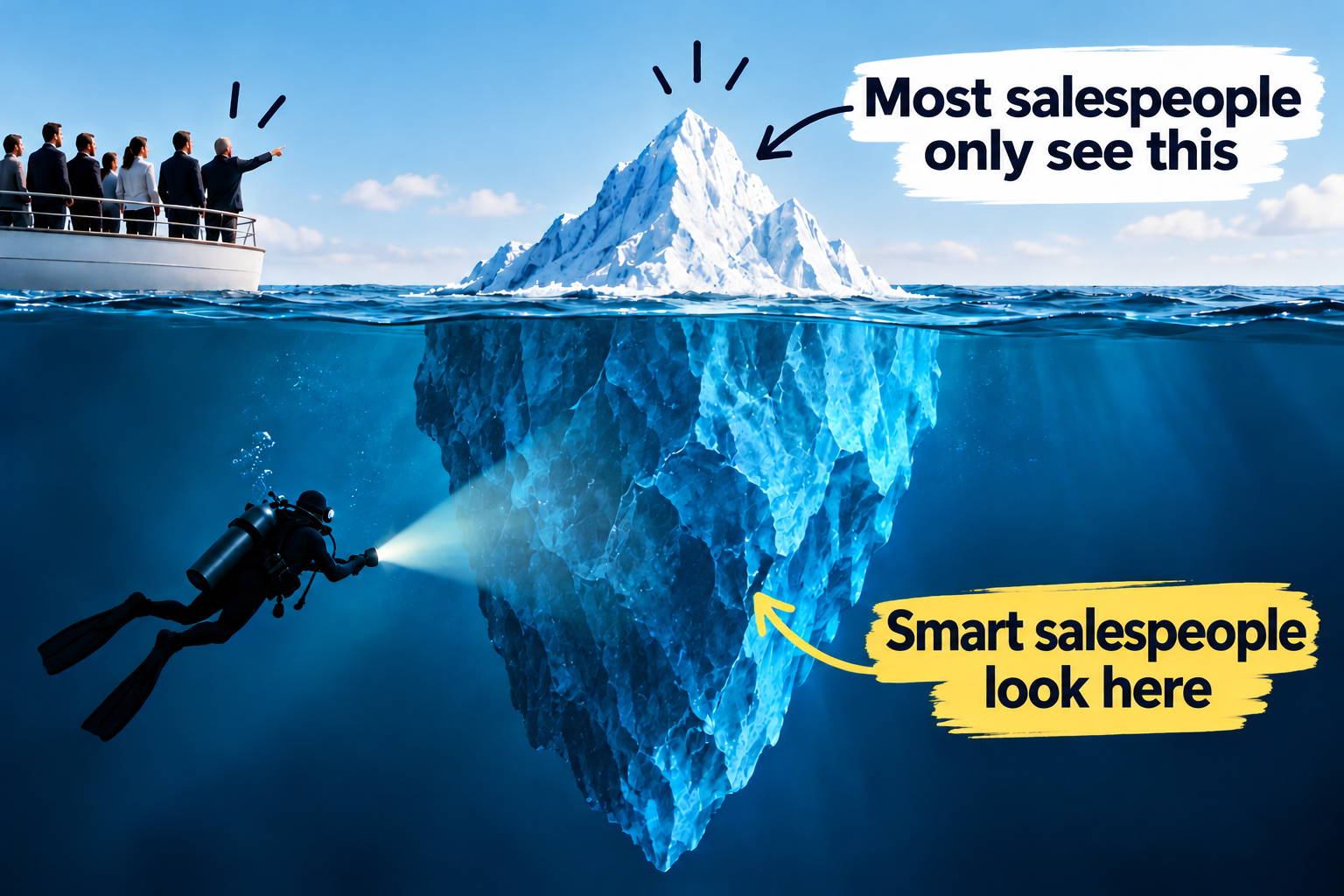
For most growth-stage SaaS companies, attention is overwhelmingly directed toward the top of the funnel.
For many SaaS executives, analyst relations sits in an uncomfortable category—expensive, difficult to measure, and often misunderstood as an extension of public relations.