Most outbound emails are terrible.
In theory, that should make it easy to stand out. I mean, if everyone else is sending lazy AI personalization, generic compliments, and emails that somehow manage to say “I researched you” without demonstrating...




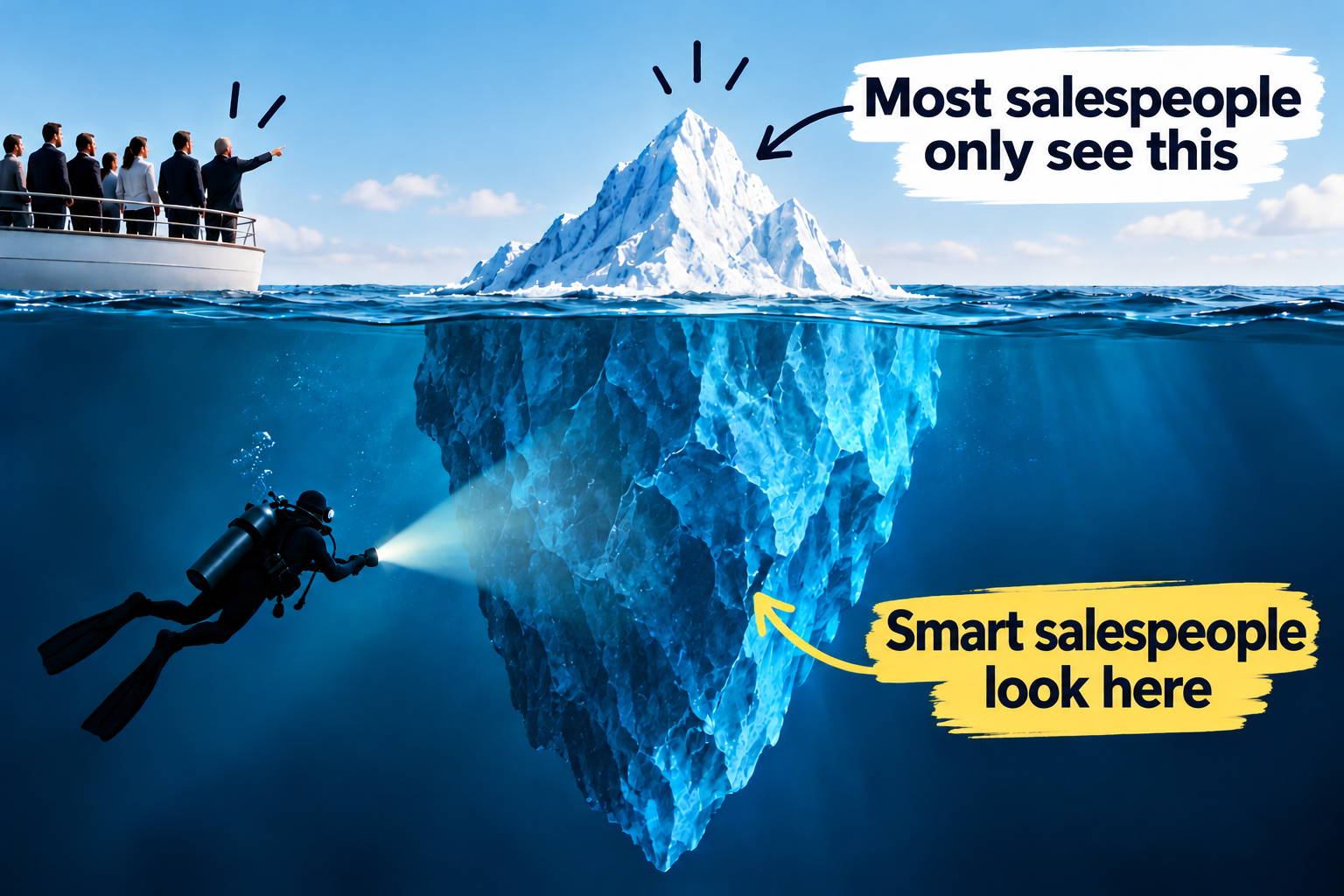
Most outbound emails are terrible.
In theory, that should make it easy to stand out. I mean, if everyone else is sending lazy AI personalization, generic compliments, and emails that somehow manage to say “I researched you” without demonstrating...

For the better part of the last decade, B2B marketers have been told that serious account-based marketing requires an expensive intent-data engine telling you which accounts are supposedly in market.
And for a while, those platforms were pretty...

Somewhere along the way, we decided the cure for ignored sales pitches was to prove we’d looked somebody up.


How much are you spending on LinkedIn ads that never turn into sales conversations?
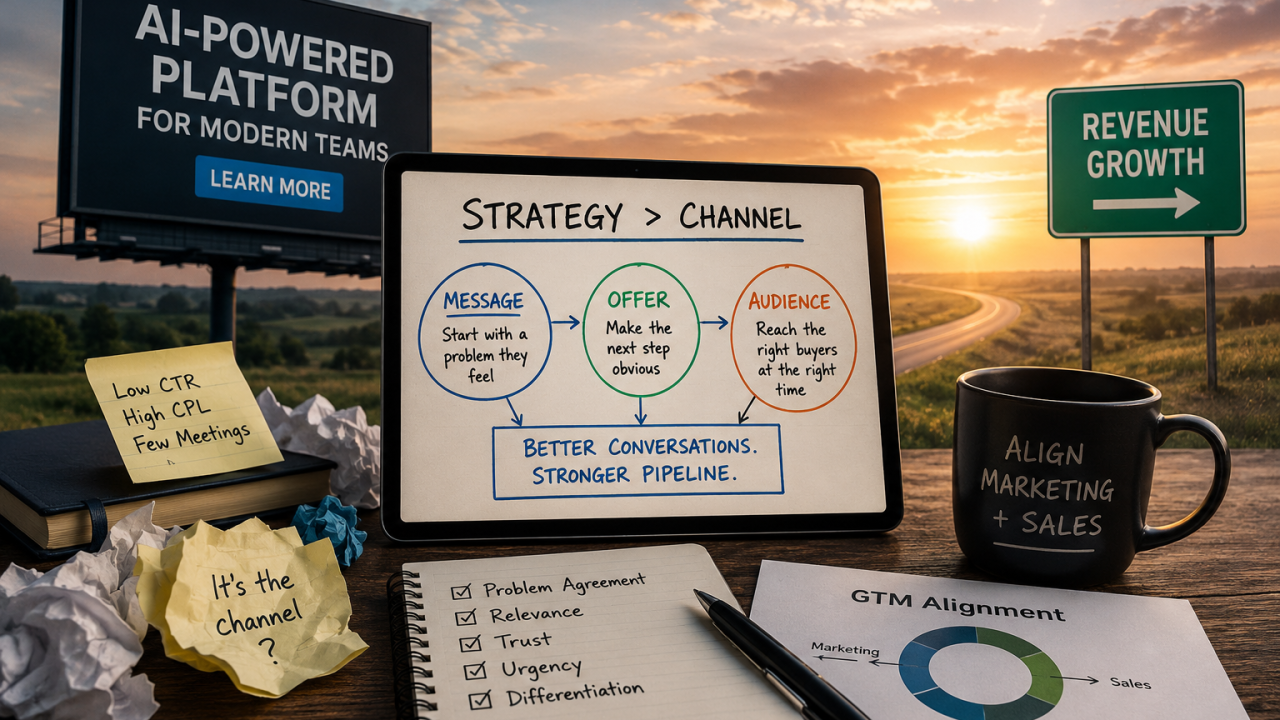
The pressure to generate pipeline hasn’t gone away, but the channels that used to make that job feel manageable are getting less predictable.

In conversations with CEOs about their go-to-market strategies, I increasingly hear the same concern: channels that once produced pipeline with some degree of predictability are no longer performing the way they used to.

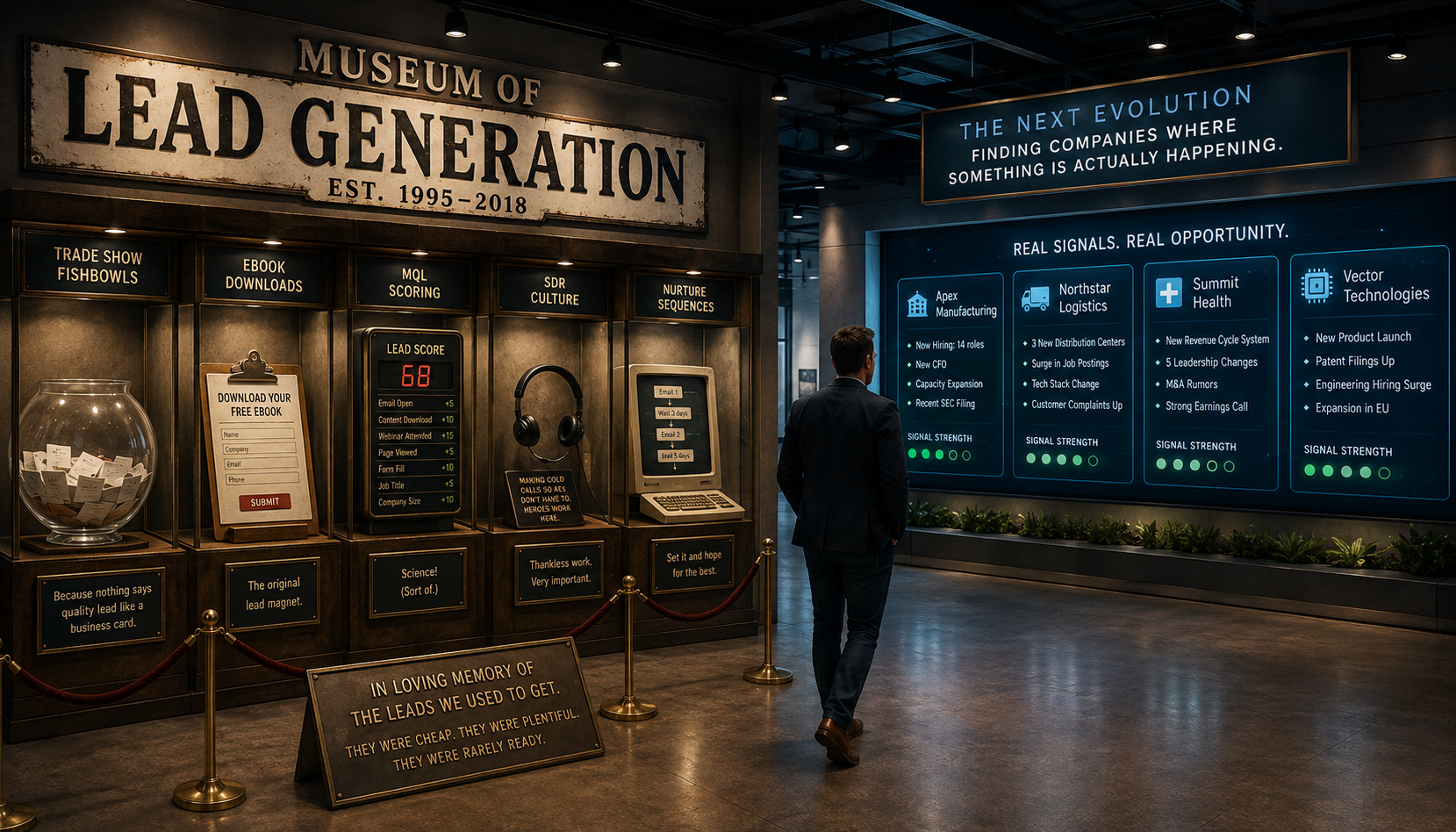
Somewhere along the way, sophisticated B2B marketers decided that “lead generation” belonged in the same dusty closet as trade-show fishbowls and three-ring sales binders.
And having spent more than 30 years in marketing positions, I get it.
Back in...
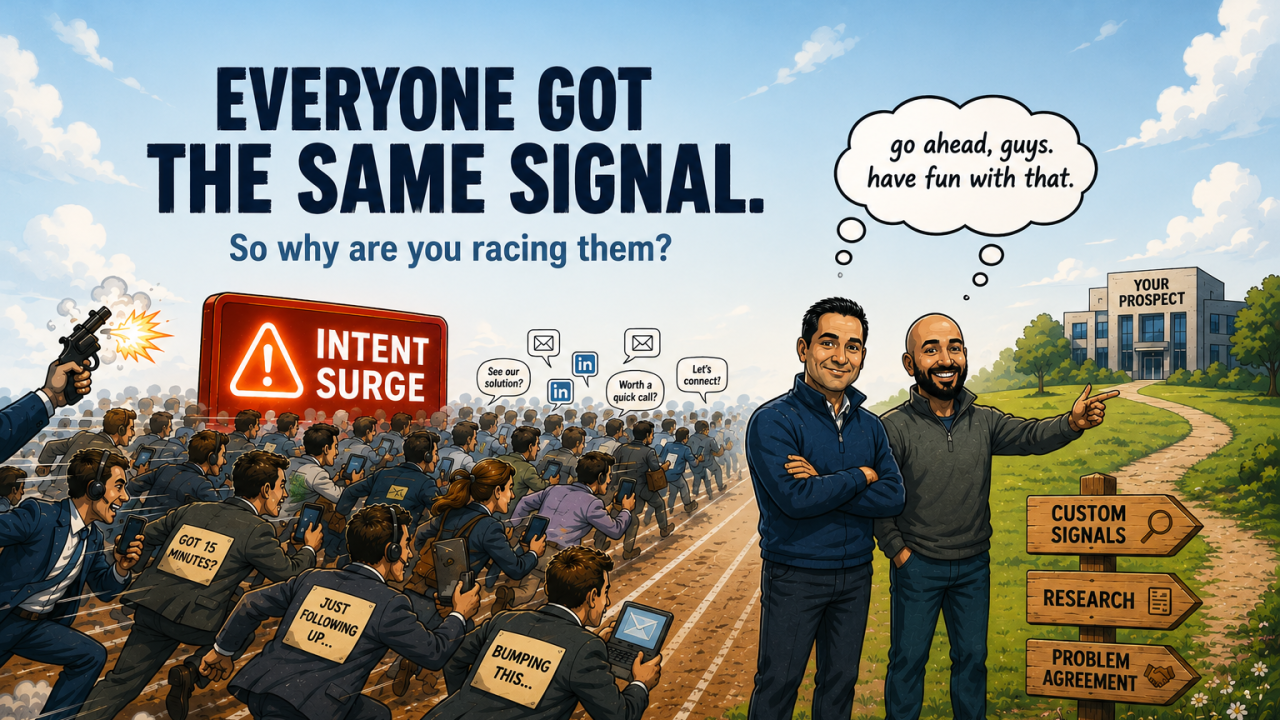
Third-party intent data became popular for a good reason.
Buyers were doing more of their research online and through social networks before talking to sales, and companies wanted to identify intent early enough to get into the buying process before...

